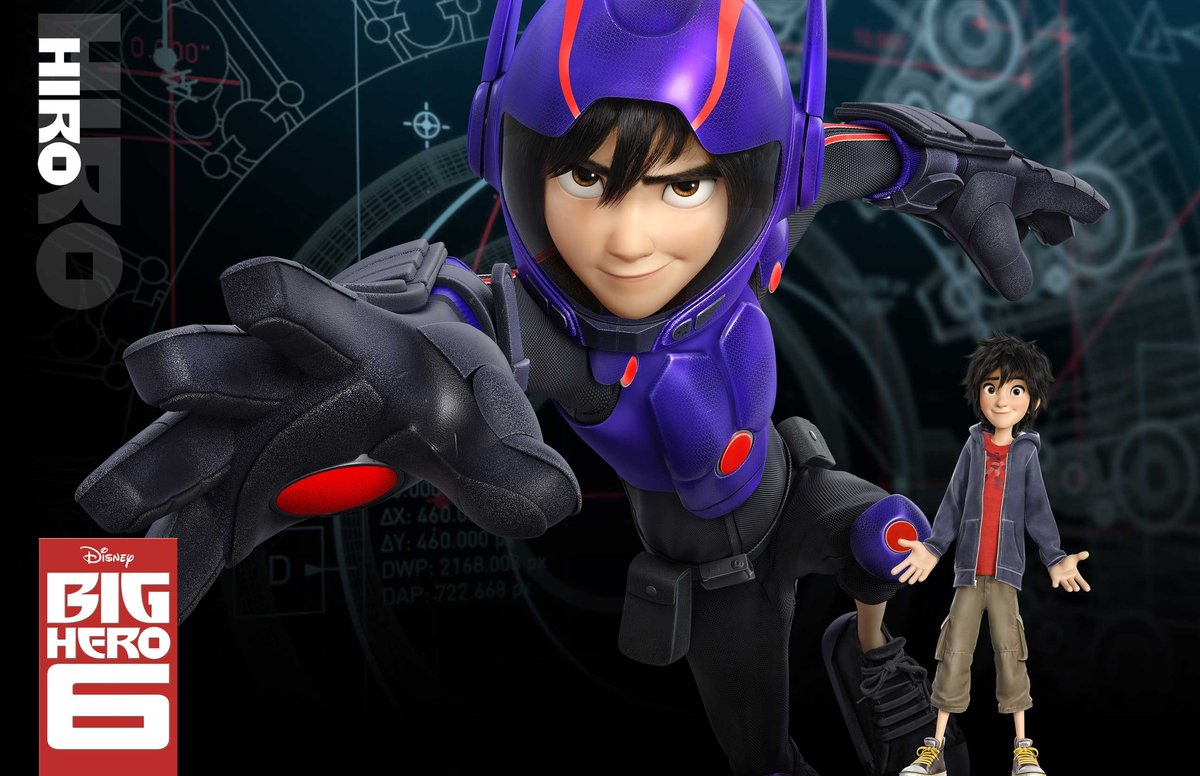
Even after his tragic death, Tadashi Hamada's impact on Hiro and Team Big Hero 6 wasn't just significant—it was foundational. His kindness, brilliance, and unwavering belief in helping others weren't erased by loss; instead, they became the very fuel that ignited a path to heroism for his younger brother, Hiro, and the eclectic group of scientists who would become Big Hero 6.
From inspiring Hiro's genius to shaping the very purpose of their crime-fighting efforts, Tadashi's legacy is woven into every microbot and every compassionate act performed by the team. He didn't just build Baymax; he built the framework for a compassionate, innovative future, guiding them from beyond the grave.
At a Glance: Tadashi Hamada's Enduring Influence
- Hiro's Guiding Star: Tadashi was Hiro's primary mentor, best friend, and moral compass, steering him toward a path of constructive innovation at SFIT.
- The Catalyst for Heroism: His death, though devastating, galvanized Hiro and his friends, transforming their individual talents into a collective drive for justice.
- Baymax: A Living Legacy: Tadashi's creation, Baymax, embodies his creator's core values—compassion, healing, and selfless help—and serves as a constant, comforting reminder of Tadashi's presence.
- Team Big Hero 6's Moral Compass: The team's commitment to using science for good, rather than revenge, directly stems from Tadashi's ethos of helping people.
- Inspiring Future Innovators: Tadashi's vision continues to inspire scientific advancement and compassionate action long after his passing.
The Unseen Architect: How Tadashi Shaped Hiro's World
Before Big Hero 6 even existed, Tadashi Hamada was the singular most important person in Hiro's life. He wasn't just an older brother; he was a steadfast mentor, a confidant, and the grounding force in Hiro's otherwise chaotic, genius-driven world. Tadashi saw beyond Hiro's talent for illegal robot fights, recognizing a brilliant mind that deserved a grander stage.
Tadashi knew Hiro was destined for more than back-alley brawls. He meticulously introduced Hiro to the wonders of robotics, bringing him to the San Fransokyo Institute of Technology (SFIT)—a vibrant hub of innovation where Tadashi himself was a star student. This wasn't just a casual visit; it was a deliberate intervention, designed to show Hiro the incredible potential of applying his intellect to genuinely impactful projects. Tadashi's own passion for helping millions of people, evident in his tireless 84 attempts to perfect Baymax, was a powerful, silent lesson for Hiro.
Tadashi was the embodiment of kindness, care, and an unyielding belief in finding solutions. He was famously quoted as saying he didn't believe in "dead ends," a philosophy that would later resonate deeply with Hiro. He was sometimes firm, always protective, and knew how to inject humor into their shared life. He balanced Hiro’s explosive creativity with a practical, grounded approach, ensuring his younger brother's genius didn't go to waste. He even taught Hiro karate, a small detail that spoke volumes about his protective nature and dedication to Hiro's well-being.
In essence, Tadashi laid the entire foundation for Hiro's future, guiding him toward SFIT and introducing him to the very people who would later become their superhero team. His influence was so profound that even his eventual absence could not diminish it. Learn more about Tadashi Hamada and the breadth of his original contributions.
The Catalyst of Loss: Tadashi's Death and Hiro's Reckoning
The sudden, devastating loss of Tadashi in the SFIT fire was a seismic event that shattered Hiro's world. It wasn't just the death of a brother; it was the loss of his anchor, his best friend, and his moral compass. The immediate aftermath plunged Hiro into a deep depression. For two weeks, he refused to eat or leave his room, rejecting the future Tadashi had so carefully set up for him at SFIT.
This profound grief hardened Hiro's heart, twisting his pain into a burning desire for revenge. The discovery that the fire was no accident, and that the masked villain "Yokai" was responsible, fueled a dark path. Hiro’s inventive genius, once channeled by Tadashi toward helping others, now focused squarely on vengeance against Yokai, even contemplating murder. This period highlighted the extreme vulnerability of a grieving genius unmoored from his guiding influence.
However, even in his darkest hour, Tadashi's influence ultimately pulled Hiro back from the brink. It was a recorded video of Tadashi's painstaking 84 attempts to create Baymax—each failure met with a determined "I'm not going to give up"—that served as a powerful reminder of his brother's true purpose: to help people, not harm them. This revelation was a turning point. It reignited Hiro's inherent desire for justice, but this time, it was tempered with Tadashi's compassion. He realized that honoring Tadashi meant seeking justice, not revenge, and embracing the value of helping others, rather than succumbing to the destructive cycle of hatred. This profound shift empowered him to reconcile with his friends and, eventually, to become a true hero.
Baymax: Tadashi's Living Legacy and Hiro's Unlikely Companion
If Tadashi Hamada had a physical embodiment of his kindness and brilliance, it was Baymax. Tadashi's entire purpose in creating Baymax was to develop a healthcare companion capable of genuinely helping people, a testament to his boundless empathy. After Tadashi's death, Baymax became far more than a robot; he was a direct, living link to the brother Hiro had lost.
Initially, Hiro struggled with Baymax's presence. The inflatable robot was a painful reminder of Tadashi's absence, his programmed cheerfulness clashing with Hiro's profound grief. Yet, it was Hiro's accidental expression of pain that first activated Baymax, prompting the robot to dutifully assume his role as Hiro's personal healthcare provider. This marked the beginning of their extraordinary bond.
Baymax, through his interactions with Hiro, began to learn human emotions, developing a personal, loving connection with his new patient. He became a constant source of comfort, a gentle echo of Tadashi's protective nature, and an unwavering companion. Baymax's devotion was absolute; he was willing to sacrifice himself when they were trapped in a portal, a decision Hiro vehemently rejected, unable to bear losing another loved one. In a deeply emotional moment, Hiro finally accepted Baymax's departure, expressing his profound love through a heartfelt embrace.
When Hiro later brought Baymax back to life, their relationship deepened further, solidifying into a profound, almost fraternal bond. Together, they continued Tadashi's mission, running "missions to help people" and extending his legacy of compassion to the entire city of San Fransokyo. Baymax isn't just a robot; he is the heart of Big Hero 6, a constant testament to Tadashi's vision, and a tangible piece of Hiro's beloved brother.
Forging a Family: Team Big Hero 6's Foundation
Tadashi's influence extended far beyond Hiro, indirectly shaping the entire Big Hero 6 team. Hiro first met Honey Lemon, Go Go Tomago, Wasabi, and Fred at SFIT, where he was immediately impressed by their innovative projects and unique personalities. They quickly became good friends, a pre-existing bond that would prove critical after Tadashi's death.
In the wake of Hiro's profound loss, these friends stepped up as an unexpected family. They didn't just offer condolences; they actively cared for, comforted, supported, and protected Hiro. Their collective grief over Tadashi, their mentor and friend, forged an even stronger bond, transforming them from academic colleagues into an unbreakable unit.
Each member played a distinct, crucial role in Hiro's healing and the team's formation:
- Honey Lemon and Fred were the enthusiastic, optimistic supporters, bringing lightness and encouragement when Hiro needed it most. Honey's bright disposition and Fred's comic relief often helped break through Hiro's somber moods.
- Wasabi, ever the cautious and meticulous one, looked out for Hiro's physical well-being, often reminding him to eat or rest, acting like a concerned older brother himself.
- Go Go Tomago, with her tough exterior and no-nonsense attitude, became a protective older sister figure for Hiro, offering practical advice and fierce loyalty.
This diverse group, united by their shared admiration for Tadashi and their concern for Hiro, harnessed their individual scientific expertise to form Big Hero 6. Their collective purpose, deeply rooted in Tadashi's ethos of helping people and using science for good, guided their actions as they transitioned from grieving friends to superhero innovators. They continued to support Hiro, even helping him cope with the temporary loss of Baymax, reinforcing their unbreakable bond and collective commitment to Tadashi's legacy.
Beyond Vengeance: Confronting Adversaries and Upholding Values
Tadashi's impact on Hiro wasn't merely about inspiring good; it was also about preventing Hiro from succumbing to darkness, especially when facing formidable adversaries. His values served as Hiro's ultimate moral compass, guiding him through complex dilemmas where revenge seemed like the easier path.
Robert Callaghan/Yokai: The Mirror of Pain
Hiro initially held immense respect for Professor Callaghan, Tadashi's mentor and a renowned scientist who had even convinced Hiro to join SFIT. However, discovering Callaghan orchestrated the fire that killed Tadashi, stealing Hiro's Microbots in the process, ignited a furious desire for vengeance. Hiro nearly crossed a line, attempting to kill Callaghan. It was his friends, and more importantly, the enduring memory of Tadashi's purpose (to help others), that pulled him back.
This forced Hiro to reconsider. Instead of revenge, he chose justice, aiming to bring Callaghan to accountability through non-violent means. He even showed empathy for Callaghan upon learning his motivations—revenge against Alistair Krei for the supposed death of his daughter, Abigail. Hiro attempted to reason with Callaghan, demonstrating a maturity Tadashi would have been proud of. When he finally defeated Callaghan, Hiro chose not to exact revenge but instead saved Abigail, proving that compassion and help superseded vengeance.
Later, in prison, Callaghan expressed remorse and sought forgiveness for Tadashi's death. Hiro, while acknowledging Tadashi would want him to forgive, wisely stated he needed more time, showing a nuanced understanding of forgiveness and healing that stemmed from his brother's influence. Callaghan became a stark reflection of what Hiro could have become if pain had consumed him, making Tadashi's gentle guidance all the more crucial.
Alistair Krei: Redemption and Legacy
Hiro's initial encounter with Alistair Krei, a tech mogul interested in buying his Microbots, was brief. Hiro declined after a warning from Callaghan. However, Krei became intertwined with their journey, inadvertently causing Abigail Callaghan's predicament. Hiro, guided by Tadashi's principle of helping, ended up protecting Krei from Yokai.
Krei, impressed and grateful, later opposed Hiro's plan to rescue Abigail from the portal, deeming it too risky. But Hiro, recalling Tadashi's core tenet, declared, "Someone has to help!" This echoes Tadashi's tireless efforts to create Baymax. Inspired by this profound dedication to helping, Krei later built an exhibition hall in Tadashi's honor, a significant act of redemption and acknowledgment of Tadashi's enduring spirit. In the series, Krei even takes Hiro on as an intern, showing genuine care, further cementing Tadashi’s influence on their relationship.
Obake and Trina: Upholding Tadashi's Values Against Manipulation
Later adversaries, such as the enigmatic Obake and his robot daughter Trina, presented Hiro with different moral challenges, but Tadashi's influence remained paramount. Obake, a brilliant but misguided genius much like Hiro, attempted to manipulate Hiro, even creating an illusion of Tadashi to win him over. Yet, Hiro’s true understanding of Tadashi's character prevented him from falling for the deception. Tadashi's values of compassion and integrity were too deeply ingrained.
Trina, initially a rival robot fighter, eventually revealed her true nature as Obake's daughter, seeking revenge on Hiro for her father's defeat. This mirrored Hiro's initial path of vengeance against Callaghan. However, Hiro had learned his lesson. Instead of succumbing to her destructive cycle, he found inspiration in Tadashi's unwavering dedication to innovation. He duplicated his Megabot and Tadashi's health chip, using his inventive genius to defeat Trina and protect the city, ensuring Tadashi's legacy of helping people persisted.
Carrying the Torch: Tadashi's Enduring Spirit
Tadashi's impact wasn't a one-time event; it was a continuous wellspring of inspiration that fueled Hiro and Big Hero 6's ongoing journey. In the "Legacies" episode of Season 2, Hiro delivers a heartfelt speech, accepting Tadashi's degree on his behalf at the SFIT graduation. This act symbolizes Hiro's acceptance of his role in keeping Tadashi's spirit alive, not just through Baymax or superheroics, but through continuing his brother's academic and compassionate pursuits.
Hiro’s continued dedication to SFIT, his relationship with Professor Granville (who Tadashi likely respected), and his increasing empathy, as seen in his interactions with Karmi and Megan Cruz, all reflect a maturing individual profoundly shaped by his brother's example. Professor Granville, initially intimidating to Hiro, becomes a trusted advisor, a mentor figure that helps Hiro navigate the complexities of his genius and the world, much like Tadashi did. Hiro’s evolving relationship with Karmi, moving from intellectual rivalry to mutual respect and even affection, showcases his growth as a person, learning to connect with others on a deeper level – a skill Tadashi possessed naturally.
The mission of Big Hero 6—to use science and innovation to protect San Fransokyo and help its citizens—is a direct continuation of Tadashi’s core philosophy. Every invention, every rescue, every act of kindness performed by the team is a tribute to the brother, friend, and mentor who first envisioned a better world through compassionate technology.
The Heroic Transformation: Tadashi's Everlasting Gift
Tadashi Hamada's life was tragically cut short, but his influence on Hiro and Team Big Hero 6 is an everlasting testament to the power of kindness, intellect, and unwavering belief in others. He didn't just build a robot; he laid the groundwork for a superhero team, imbuing them with a moral compass that prevented them from succumbing to the darkest impulses of grief and anger.
From inspiring Hiro's academic path and creating Baymax, the team's heart, to shaping their very purpose of using science for good, Tadashi's presence permeates every aspect of Big Hero 6. He transformed a grieving prodigy into a selfless leader and rallied a group of talented individuals into a family united by a shared mission. His legacy is not just remembered; it is actively lived out every day by Hiro and the team, proving that even in absence, a truly great impact can fuel heroism for generations.